Collection: Psoriasis

What Causes Psoriasis?
Psoriasis is not a communicable skin condition and cannot be transmitted from person to person through close contact or touch. Psoriasis lesions are also not infectious, meaning you cannot become infected by someone who has the condition. Contrary to common belief, psoriasis is not related to personal hygiene or cleanliness.
A malfunctioning immune system is generally considered the primary cause of psoriasis, although environmental factors and lifestyle triggers may worsen its symptoms. Psoriasis can be described as a common inflammatory skin condition in which, due to genetic factors, the body produces skin cells at a much faster rate than the normal skin cell life cycle. As a result, thick, red, scaly patches that are often itchy and sometimes painful appear on the surface of the skin.
Plaque Psoriasis and Psoriatic Arthritis
Although plaque psoriasis is the most common form of the condition, several other types also exist, including pustular, inverse, erythrodermic, and guttate psoriasis. Plaque psoriasis is characterised by red, inflamed skin patches covered with excessive dead skin cells and grey or white scales. Plaque psoriasis and other forms may appear anywhere on the body, from the scalp, ears, mouth, and lips to the hands, feet, and even fingernails.
In addition to affecting the skin, psoriasis can also involve the joints.
Psoriasis Management and Treatment Approaches
Unfortunately, there is currently no known cure for psoriasis; however, its symptoms can be managed through an informed and consistent treatment regimen. While the condition itself is not curable, its complications can be controlled through treatment strategies that generally aim to slow excessive skin cell production, soothe itchy and inflamed patches, and remove excess dead skin cells. Alongside oral or injectable medications and phototherapy, topical treatments such as creams and ointments are commonly used for mild to moderate psoriasis.
Creams for Psoriasis Care
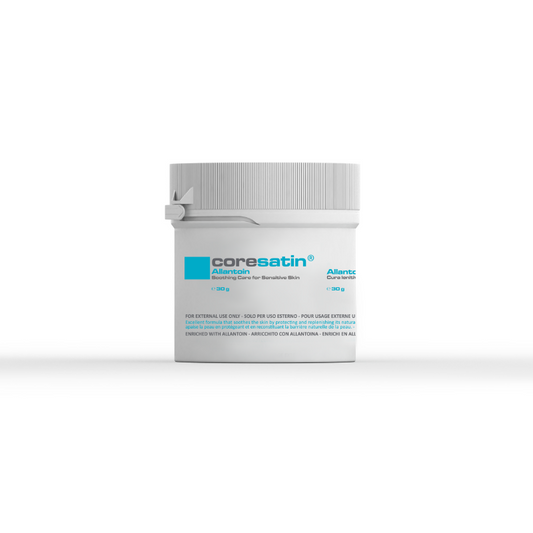
Advances in skincare research and technology continue to introduce safe and effective alternative options for psoriasis care. In this context, allantoin is well known for its ability to calm, soften, and soothe irritated skin. In addition to conventional treatments, dual-action creams containing allantoin, such as Coresatin® Allantoin Soothing Care for Sensitive Skin, provide intensive moisture, ease the feeling of dryness and support the skin's appearance — alongside medical treatment.
This information is provided for general awareness only and does not replace professional medical advice. For persistent, worsening, or unusual skin concerns, please consult a dermatologist.
-
Allantoin Soothing Care for Sensitive Skin 30 g
Regular price €29,90Regular priceUnit price €996,67/kg -
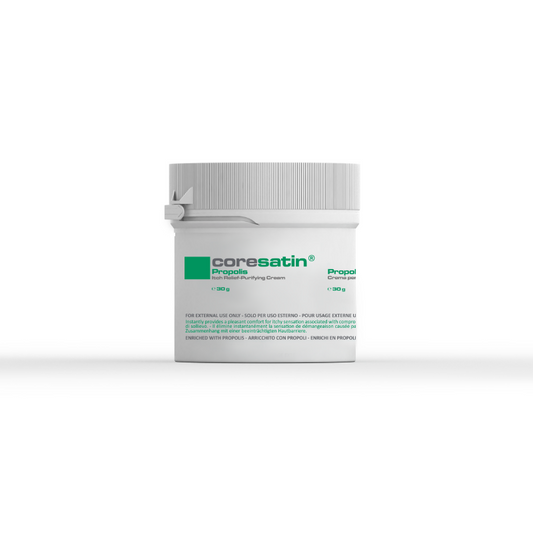
Propolis Itch Relief-Purifying Cream 30 g
Regular price €29,90Regular priceUnit price €996,67/kg -
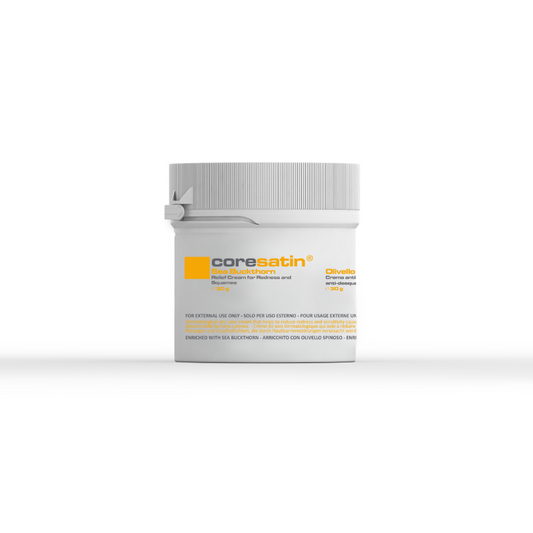
Sea Buckthorn Relief Cream for Redness and Squames 30 g
Regular price €29,90Regular priceUnit price €996,67/kg -
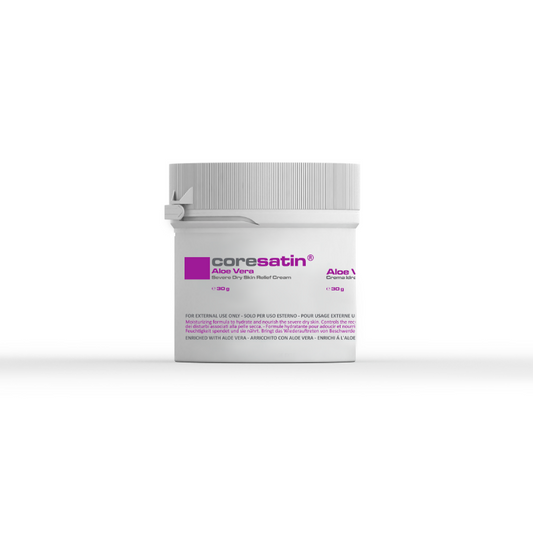
Aloe Vera Severe Dry Skin Relief Cream 30 g
Regular price €29,90Regular priceUnit price €996,67/kg -
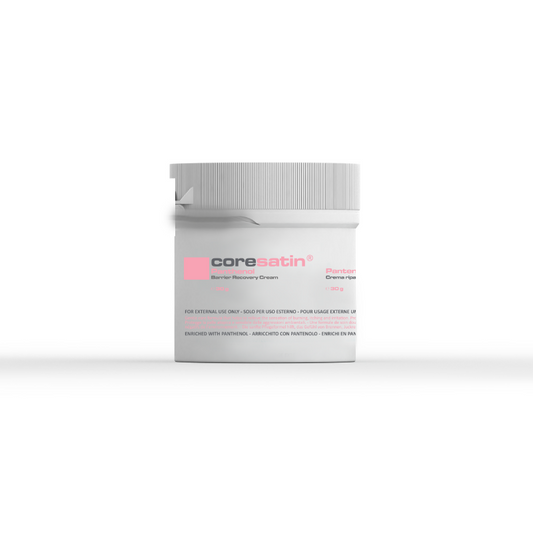
Panthenol Barrier Recovery Cream 30 g
Regular price €29,90Regular priceUnit price €996,67/kg -

 Sold out
Barrier-P Cream 200 ml
Regular price €17,90Regular priceUnit price €89,50/L -

 Sold out
Barrier Lotion 200 ml
Regular price €17,90Regular priceUnit price €89,50/L -
Sold out
Barrier Lotion 50 ml
Regular price €5,90Regular priceUnit price €118,00/L -
Sold out
Barrier-P Cream 50 ml
Regular price €5,90Regular priceUnit price €118,00/L