Collection: Blemish-Prone Skin

Healthy skin hosts a balanced community of microorganisms — the skin microbiome — living in equilibrium with the skin barrier. When this balance is disturbed, for example through skin damage, excessive moisture or harsh cleansing, the skin barrier weakens and the skin can become stressed, blemish-prone and easily irritated.
Many skin-cleansing creams are available on the market, but choosing the right one is important. Creams containing aggressive ingredients can further stress the skin by damaging the already compromised skin barrier.
At the same time, it is important to remember that stressed skin often goes hand in hand with a weakened skin barrier that also needs the support of key barrier components such as moisture.
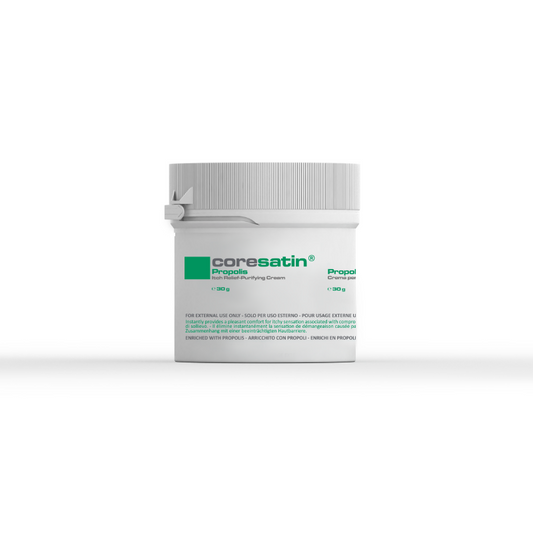
The Coresatin® Propolis Itch Relief-Purifying Cream cleanses the skin gently and thoroughly without disturbing the natural skin flora, and supports the balance of stressed, blemish-prone skin.
-
Propolis Itch Relief-Purifying Cream 30 g
Regular price €29,90Regular priceUnit price €996,67/kg -
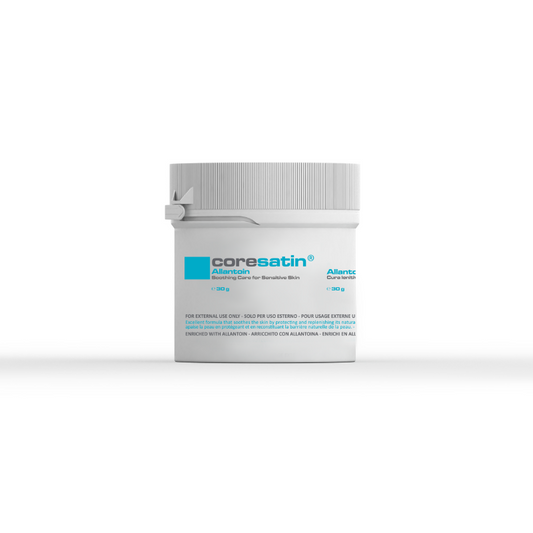
Allantoin Soothing Care for Sensitive Skin 30 g
Regular price €29,90Regular priceUnit price €996,67/kg -
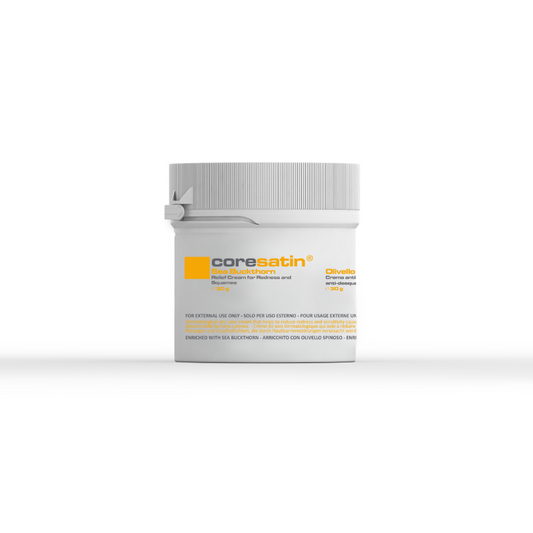
Sea Buckthorn Relief Cream for Redness and Squames 30 g
Regular price €29,90Regular priceUnit price €996,67/kg -

 Sold out
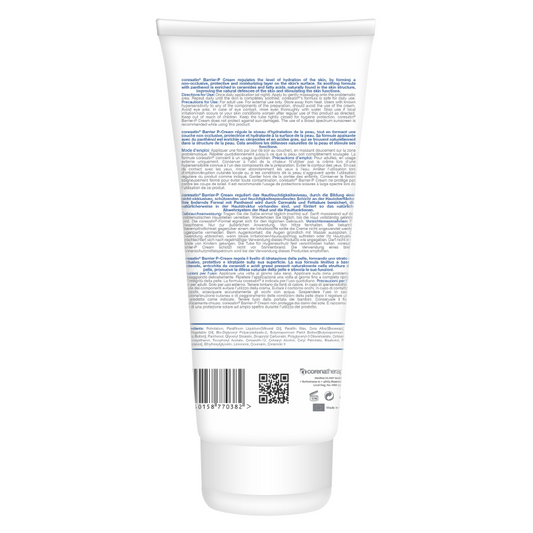
Barrier-P Cream 200 ml
Regular price €17,90Regular priceUnit price €89,50/L -

 Sold out
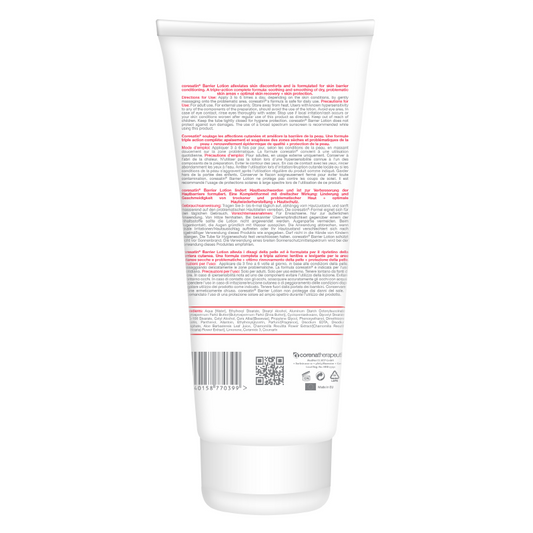
Barrier Lotion 200 ml
Regular price €17,90Regular priceUnit price €89,50/L -
Sold out
Barrier Lotion 50 ml
Regular price €5,90Regular priceUnit price €118,00/L -
Sold out
Barrier-P Cream 50 ml
Regular price €5,90Regular priceUnit price €118,00/L